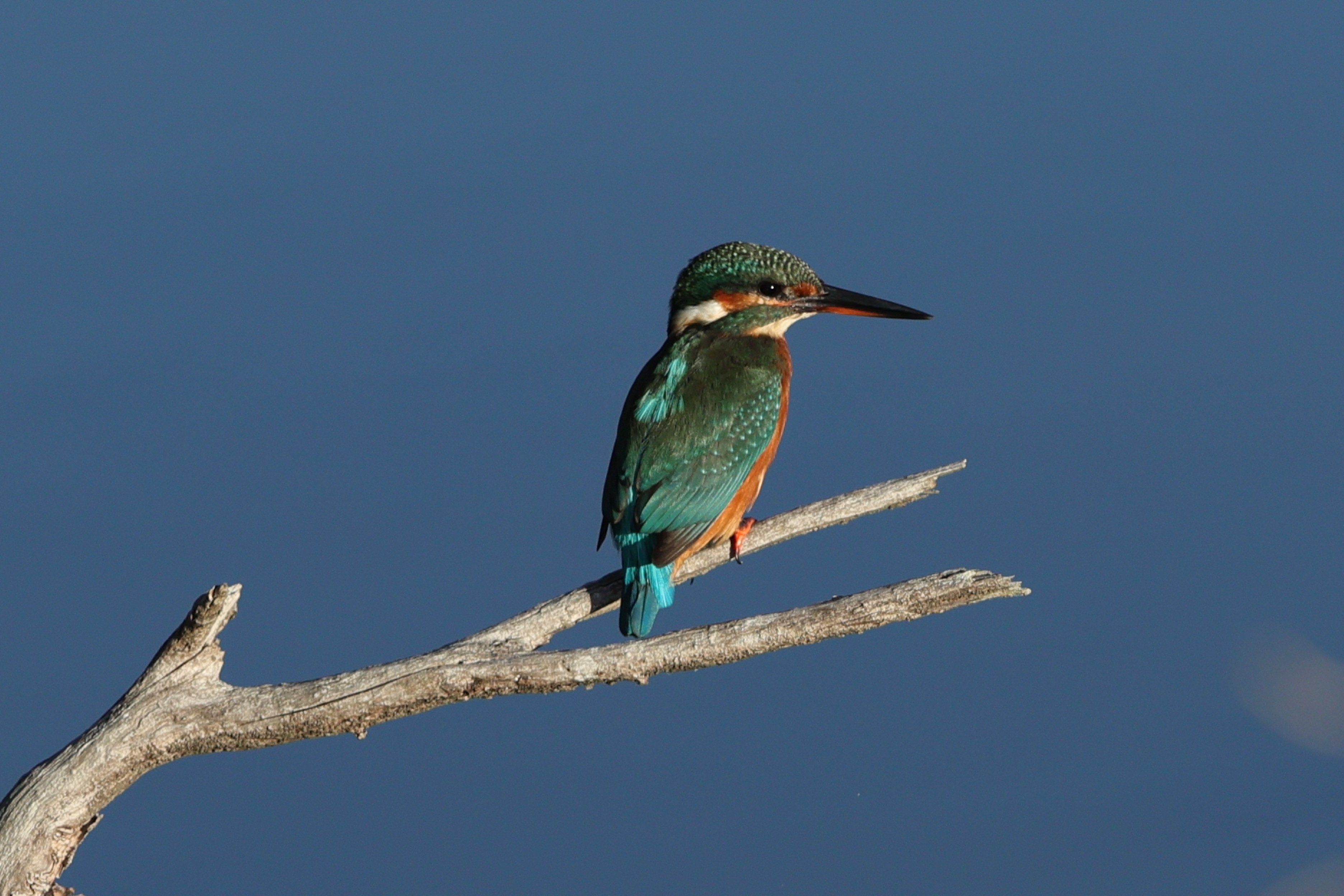
Ask most people what Gir is known for and they’ll say lions. Ask a birder and you’ll get a different answer. Gir’s mix of dry deciduous forest, rocky ridges, riverine strips and open grassland supports more than 300 bird species, and many of them can be seen without leaving the safari jeep.
The best time for birdwatching in Gir is November to February, when migratory birds arrive and the forest is open. Top species include the Indian eagle-owl, crested serpent eagle, painted sandgrouse, Indian paradise flycatcher, Indian pitta and Malabar pied hornbill. Early morning safaris along riverbeds and rocky slopes give the best chances.
Why Gir Is Better for Birds Than Most People Expect
Gir sits in a dry zone of Saurashtra, but the rivers (Hiran, Shingoda, Machhundri and others) and seasonal waterholes create green pockets that birds depend on. Because the forest has several habitat types packed close together, you can see forest birds, raptors, grassland species and water birds in a single morning.
If you want to give birding enough time, staying close to the forest helps. A nature resort Sasan Gir puts you minutes from the park gates, so you can reach the first safari slot with fresh energy, which matters because bird activity peaks in the first two hours after sunrise.
Habitats and the Birds That Live in Them
Understanding where birds live saves you a lot of guesswork. Here’s how the main habitats break down:
- Dry deciduous forest: Home to bee-eaters, drongos, babblers, woodpeckers and the Indian paradise flycatcher. Watch the mid-canopy and open branches.
- Rocky slopes and outcrops: The favourite perch of the Indian eagle-owl. Check the shaded ledges in daytime.
- Riverbeds and waterholes: Painted sandgrouse, wagtails, kingfishers, storks and herons gather here, especially in the dry season when water is scarce.
- Grasslands and open clearings: Larks, quails, francolins and raptors hunting from above.
- Dense riverine trees: Shelter for the crested serpent eagle and shy woodland birds.
Unique and Notable Bird Species to Look For
You don’t need a checklist of 300 birds. These are the ones that make a Gir trip memorable:
- Indian eagle-owl: A big, tufted owl that roosts on rocks and trees in daylight.
- Crested serpent eagle: Often heard before it’s seen, with a loud, ringing call from a high perch.
- Painted sandgrouse: Beautifully patterned ground birds that visit dry riverbeds.
- Indian paradise flycatcher: Males trail long white tails in flight, which makes them easy to remember.
- Indian pitta: A colourful, shy bird that arrives with the monsoon season in some forest patches, though sightings are never guaranteed.
- Malabar pied hornbill and grey hornbill: Look for them in fruiting trees.
Black-headed oriole, golden-backed woodpecker, and rufous treepie: Regular and rewarding sightings on most routes.
Many of these birds aren’t rare in the strict sense, but they’re hard to spot unless you scan carefully and listen. A good guide will often identify a bird by its call before you’ve seen it.
Best Time for Birdwatching in Gir
Winter is the standout season. Between November and February, the weather is cool, the leaf cover thins and migratory visitors add variety. Sasan Gir in winter also means longer, more comfortable stretches in the jeep, which is a real advantage when you’re waiting patiently for a bird to show itself—especially if you are staying at a resort near Sasan Gir for easy early-morning access.
Summer brings thinner foliage and birds crowd around waterholes, which can be good for photography, but the heat is tough on both you and your equipment. The park closes for the monsoon, generally from mid-June to mid-October. Safari timings, zones and permit rules can change, so check the official Gujarat forest department booking portal before you plan your dates.
Photography Tips for Birds in Gir
Photographing birds in a forest from a moving vehicle is a challenge, so a little preparation goes a long way:
- Use a telephoto lens. A 300mm to 500mm range is practical for most birds. Anything shorter and you’ll end up with tiny subjects in a large frame.
- Shoot at a fast shutter speed. Aim for 1/1000s or faster for birds in flight, and still go higher if the jeep is moving.
- Raise your ISO instead of risking blur. Modern cameras handle higher ISO better than a blurred shot.
- Use a beanbag or monopod. Tripods don’t work well in safari jeeps. A beanbag on the rail steadies your lens.
- Focus on the eye. Sharp eyes make a bird portrait feel alive.
- Shoot early and late. Golden-hour light is soft and warm, and the forest looks its best.
- Be ready for the unexpected. Keep your camera on, with settings preset, because birds don’t give notice.
Don’t use flash. It stresses birds and breaks safari rules, and it rarely gives good results anyway.
Staying Close to the Action
Birders often underestimate how much a good base matters. Early starts, hot meals, quiet evenings and local knowledge all affect your trip. A wildlife Gir resort with naturalists on site can help you plan which zones and trails suit your interests, and tell you what has been seen recently. That kind of day-to-day knowledge isn’t something you’ll find in a guidebook.
Choosing a resort in Sasan Gir also makes it easier to take two safaris in a day, one at dawn and one in the afternoon, without long transfers. That doubles your chances of catching both early-morning songsters and afternoon raptors.
Responsible Birdwatching Tips
Birds are sensitive, especially in the breeding season. Keep these habits in mind:
- Stay inside the vehicle and follow your guide’s instructions.
- Never play recorded calls to attract birds.
- Keep your voice low and avoid sudden movements.
- Don’t disturb nests or roosting sites.
- Carry out all waste, including food wrappers.
Final Thoughts
Gir rewards people who look up, look closely and wait. Lions get the headlines, but a tufted eagle-owl on a rock ledge or a paradise flycatcher flashing through the trees can be just as memorable. Go in winter, book an early safari, bring binoculars and let the forest set the pace.