Most people come to Gir for one reason: the Asiatic lion. Fair enough, as this is the only place on earth where they live in the wild. But the lions are only part of the forest. Gir is made up of dry deciduous woodland, rocky ridges, riverbeds and grassland, all of which provide a habitat for animals most visitors drive past without noticing.
Apart from Asiatic Lions, Gir National Park is also inhabited by leopards, striped hyenas, rusty-spotted cats, honey badgers, Indian pangolins, four-horned antelopes, marsh crocodiles, rock pythons and more than 300 species of birds.
Why Gir is Better Than Seeing a Lion
Gir is a large landscape, not a reserve of one animal. The Gir wildlife sanctuary and national park has a complete food web with grazers, ambush predators, scavengers, reptiles and birds. A safari becomes much more interesting when you slow down and look at the whole forest.
For this reason, many travellers prefer to camp near the edge of the forest. Properties such as Aranya Gir Resort get you closer to the gates of the park, so you can take the early morning time slot when smaller, shyer animals are still moving around.
Lesser-Known Mammals You Should Look For
The leopards are the most famous of the “other” cats, but the more rewarding finds are often the less obvious residents:
- Leopard: Gir's second big cat. Look at rocky outcrops and in dense riverside trees, not in open grassland. This is one of the few areas of overlap between lions and leopards.
- Striped hyena: Mostly nocturnal but can be seen at dawn in rocky areas.
- Golden Jackal: Often seen but often missed. Listen to them by calling at twilight.
- Jungle cat and rusty-spotted cat: Stealthy little cats. The Rusty-spotted Cat is one of the smallest wild cats in the world, and sightings are rare.
- Honey badger (ratel): Stocky, fearless and primarily nocturnal.
- Indian Pangolin: A shy, scaly insect eating mammal. For the naturalist, spotting one is a real high point.
- Four-horned antelope (chowsingha): Easily overlooked among the scrub in drier areas of Gir.
Herbivores that shape the forest
The lions’ main food consists of chital (spotted deer), sambar, nilgai, chinkara and wild boar. Take a safari and watch them for a while. Often the first to give the alarm call when a predator is close, chital herds’ behaviour is well worth learning to read and will improve your sightings.
Water Life and Reptiles
Gir’s reptiles are easily overlooked, but worth a look. Marsh crocodiles bask in the sun near the Kamleshwar Dam, one of the better water bodies in the area. Indian rock pythons and Indian cobras inhabit grass and rocky dens, and monitor lizards are seen on sunny tracks.
If you are at a top nature resort in sasan gir, ask the resident naturalist or guide about waterholes and trails that have seen recent activity. Local guides know these things day in and day out, and it can be the difference between a quiet drive and a memorable drive.
Birds You Shouldn’t Miss
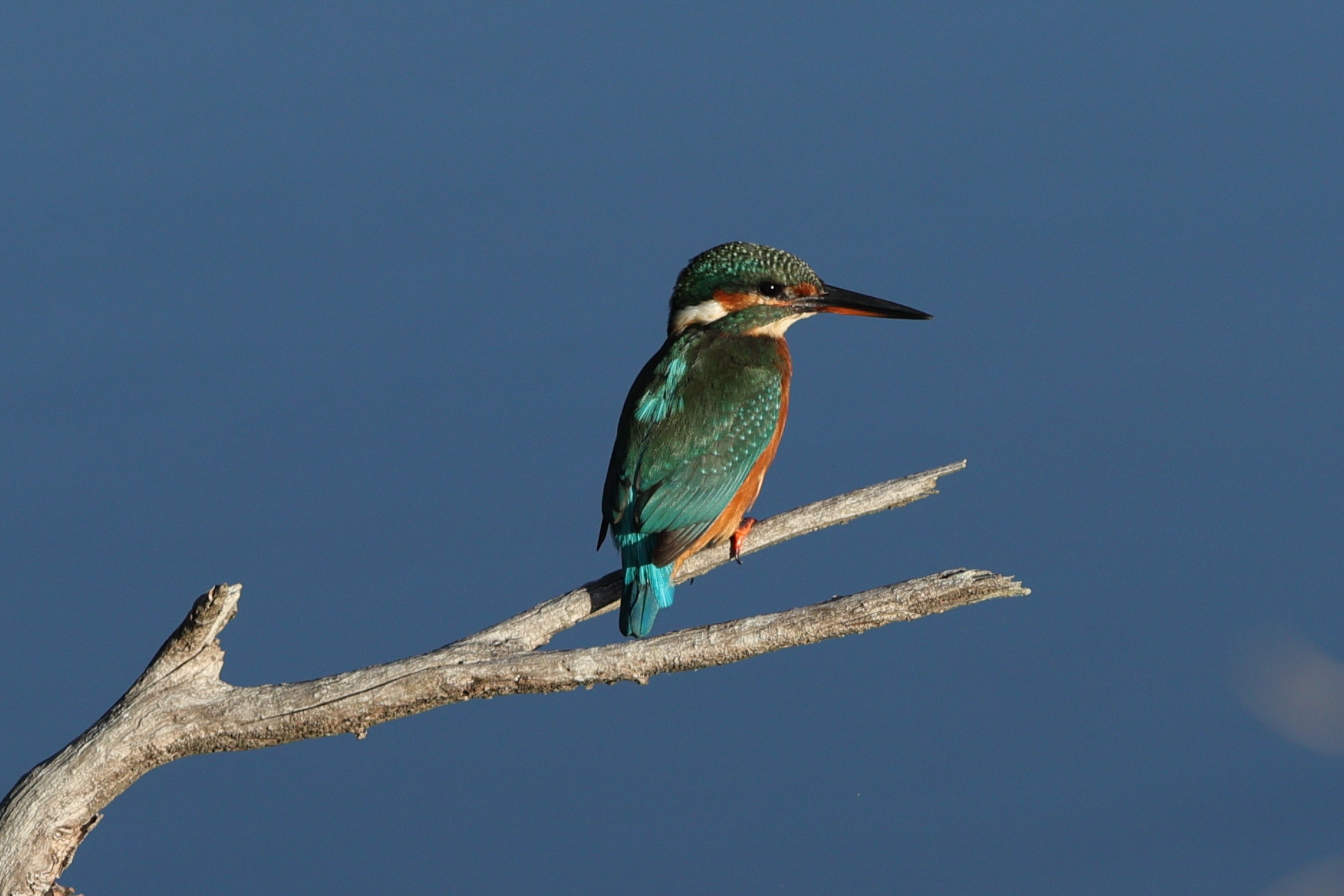
Gir is a good birding destination and winter makes it better. Species to know:
- Indian eagle-owl: Often seen perched in the daytime close to rocky slopes.
- Crested Serpent Eagle: Usually heard before it is seen, has a loud, ringing call.
- Painted sandgrouse: Look around dry riverbeds.
- Paradise-flycatcher, Indian: Males have long white tails and are excellent fliers.
- Bee-eaters, woodpeckers and drongos: Typical safari roadside stops.
Why Winter Is the Best Time to Spot Smaller Wildlife
The weather is good and the forest is open in the cooler months. The leaves thin out, things are more visible, and animals are active longer during the day. Sasan gir in winter (roughly November to February), giving birders and photographers another reason to visit.
The park is closed during the monsoon, generally from mid-June to mid-October, so visit in the open season. As the safari rules, permits and timings are subject to change, check the current details on the official booking portal of the Gujarat forest department before you travel.
Practical Tips for Finding the Rarer Species
Finding small or shy animals is as much about how you look as where you go:
- Select the first safari slot. Most animals are most active in the early hours.
- See the edges. A lot is hidden by rocks, tree bases, dry streambeds, and tall grass.
- Keep quiet. Loud talking will scare away animals.
- Bring binoculars. They are more useful than long telephoto lenses for birding and distant action.
- Ask your guide questions. Trainee naturalists spot tracks, alarm calls and droppings that most visitors miss.
- Have patience. Hang around a waterhole or rocky area a little longer.
Wildlife Viewing Responsibly
Gir and the animals you came to see are protected by a few simple habits. Stay on marked trails, don't feed or call animals and don't use flash photography. Take your trash with you and follow your guide’s instructions if an animal is near the vehicle. The primary purpose of these rules is to keep the forest undisturbed.
Conclusion
Gir will always be known for the Asiatic lion, and it deserves that fame. But a journey is more rewarding if you see the lions in the midst of a larger forest. Go in the cooler months, go on an early safari, ask the right questions of your guide, and let the smaller sightings count as well. It can be part of the trip that you remember whether it’s a quiet track with a pangolin or a rocky perch with an eagle-owl.