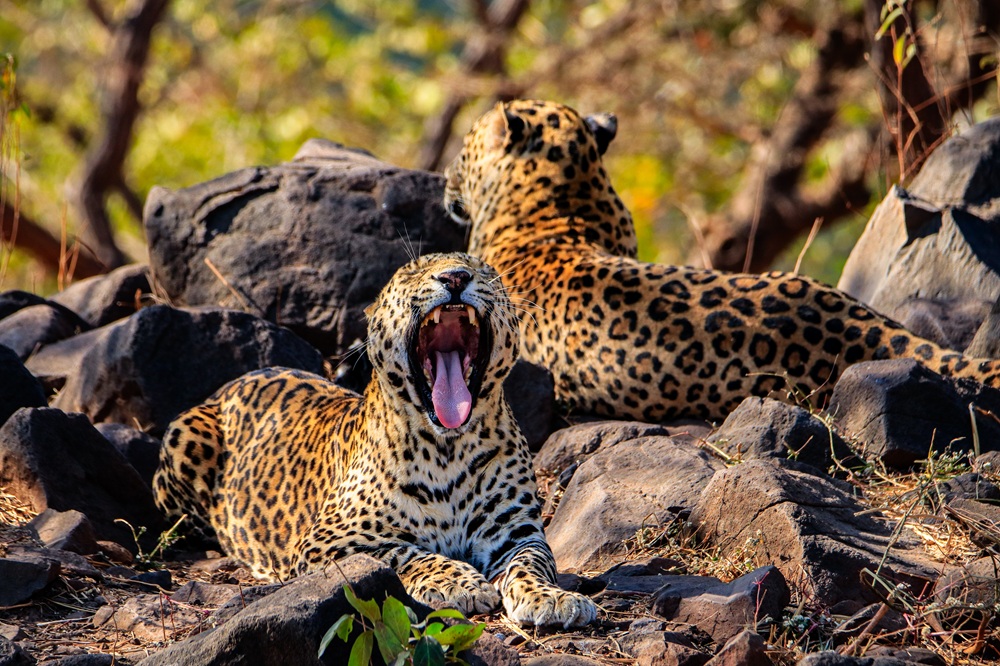
When people talk about Gir National Park, the conversation almost always circles back to the Asiatic lion - and honestly, that's fair. Gir is the last stronghold of the Asiatic lion on earth, and that's no small thing. But here's what most safari-goers don't realize until they're deep in the teak forests, scanning the canopy at dusk: Gir's leopards are watching you long before you spot them.
These spotted cats are arguably the most underestimated predators in the entire Gir ecosystem, and if your wildlife itinerary doesn't account for them, you're leaving one of India's most thrilling encounters on the table.
Why Leopards Get Overlooked in Gir
It's simple, really. The lion takes all the credit. Conservation campaigns, tourism brochures, even the park's official branding - everything leads with the lion. Leopards, by contrast, are secretive, nocturnal-leaning, and behaviorally wired to avoid conflict. They melt into the landscape so effortlessly that even seasoned naturalists admit to being outwitted.
But that elusiveness is precisely what makes a leopard sighting in Gir so deeply satisfying. It feels earned in a way that few wildlife encounters do.
The leopard population in Gir National Park and the surrounding Sanctuary area is estimated to be notably healthy - some counts suggest over 300 individuals, which outnumbers the lion population. They occupy a wide range of habitats within the park, from dense forest patches to scrubby edges near agricultural land. Yet the demand for leopard-specific safari experiences remains embarrassingly low compared to lion-focused drives.
Understanding Leopard Behavior in Gir's Ecosystem
One reason leopards thrive in Gir is the coexistence dynamic with lions. In most ecosystems where lions dominate, leopards are pushed to marginal habitats. Gir is different. The prey base - chital, nilgai, sambar, and langur is rich enough that both species maintain their own territories with relatively low direct competition.
What does this mean for you as a safari visitor?
- Leopards in Gir are less stressed and more settled than those in, say, competitive African multi-predator reserves
- Their territories often overlap with popular safari zones, increasing your encounter probability
- Early morning drives through the Sinh Sadan and Devaliya zones frequently yield leopard sightings in the trees or on rocky outcrops
- Leopards here are known to cache kills high in fig and teak trees - look up, always look up
Their relationship with the local Maldhari pastoral community also adds a fascinating cultural dimension. Unlike in many regions where leopards and humans clash fatally, Gir has maintained a fragile but functional coexistence for generations.
Best Times and Zones for Leopard Spotting
The Gir Forest is divided into permit zones, and not all of them offer equal leopard opportunities. Based on naturalist accounts and repeated visitor reports, here's what tends to work:
- Season: October through March gives you the best visibility - vegetation is thinner, animals cluster around water sources, and morning temperatures bring predators out earlier.
- Time of day: First light is your golden window. Leopards are often returning from nocturnal hunts and may still be visible on termite mounds, boulders, or low branches just after sunrise.
- Zones to prioritize: The buffer areas around Kankai and Raval have seen consistent leopard activity. The Dedakdi and Tulsishyam circuits are also worth requesting when booking your safari permits.
If you're serious about maximizing your wildlife experience, your choice of accommodation matters enormously. Staying at a wildlife gir resort that employs resident naturalists - people who track movement patterns across seasons gives you access to intelligence that no online guide can replicate.
Choosing the Right Base for Your Leopard Safari
This is where planning makes or breaks the experience. The proximity of your resort to the park gates directly affects how early you can enter and how rested you are for those predawn starts.
Aranya Gir Resort has built a reputation among serious wildlife enthusiasts for exactly this reason. Positioned with genuine intent toward the forest experience rather than just hospitality checkboxes, it offers naturalist-guided orientation sessions that specifically cover big cat behavior - including leopard ecology before your first drive. That kind of preparation changes how you see the forest.
For travelers researching resorts near Gir National Park, the distinction between a property that's "near" the park and one that's genuinely integrated into the wildlife experience is enormous. Ask about naturalist staff, ask about safari logistics support, and ask whether the property actively contributes to any conservation monitoring in the area.
What to Look For: A Practical Leopard Spotting Guide
Most first-timers scan at eye level. Leopards rarely oblige.
- Scan canopy branches of tall teak and fig trees - leopards rest horizontally on broad limbs
- Watch for alarm calls - langur monkeys and spotted deer give sharp, repetitive warning calls when a leopard is near
- Look for pug marks near waterholes, especially on soft mud edges in the morning
- Note kill signs - feathers, bones, or hair high in a tree indicate a cached meal and a leopard likely nearby
- Stillness beats movement - pause your vehicle, kill the engine, and let the forest speak
Booking Smart: Safari Permits and Resort Packages
Online permit booking for Gir opens through the Gujarat forest department's official portal. Slots fill weeks in advance during peak season (November–February), so planning isn't optional - it's essential.
When looking for the best resort in Sasan Gir, prioritize properties that offer in-house safari coordination. Getting permits, arranging gypsies with trained guides, and structuring drives around your specific interests (leopards, birds, lions) requires local knowledge and relationships. A quality sasan gir resort will handle this without friction.
Properties like Aranya Gir Resort often offer bundled packages that include safari permits, naturalist accompaniment, and post-drive debriefs - the kind of full-circle experience that turns a good trip into a formative one.
The Takeaway
Gir's lions deserve every bit of the reverence they receive. But the leopard — patient, precise, and perpetually underestimated — offers something the lion rarely does: the feeling of being genuinely surprised by wilderness. Plan your drives with leopards in mind, stay at a wildlife Gir resort that takes the forest seriously, and give yourself permission to look past the obvious.
The spotted cat in the teak canopy won't announce itself. That's the whole point.